
New EU Pet Travel Rules 2026: Why Document Mistakes Now Lead to Refusal
A practical explanation of the 2026 EU pet travel rules. Why even small document mistakes now lead to refusal at the border and what pet owners must understand before travelling.
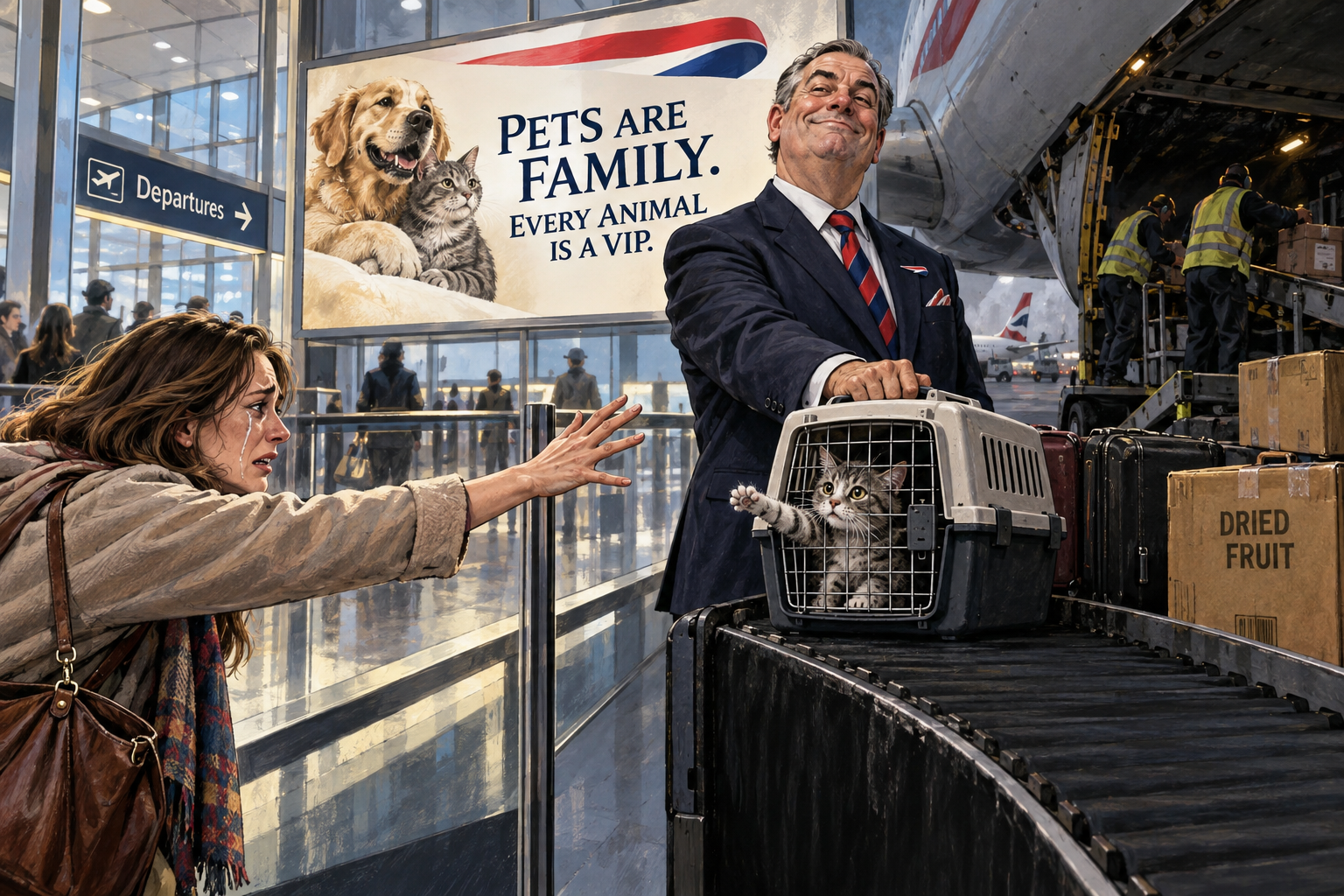
When the Pride of the Nation Stoops to Cheap, Shameless Hypocrisy
British Airways calls pets members of the family and promises VIP treatment, yet refuses to let even the smallest pet remain beside the person they love and trust.
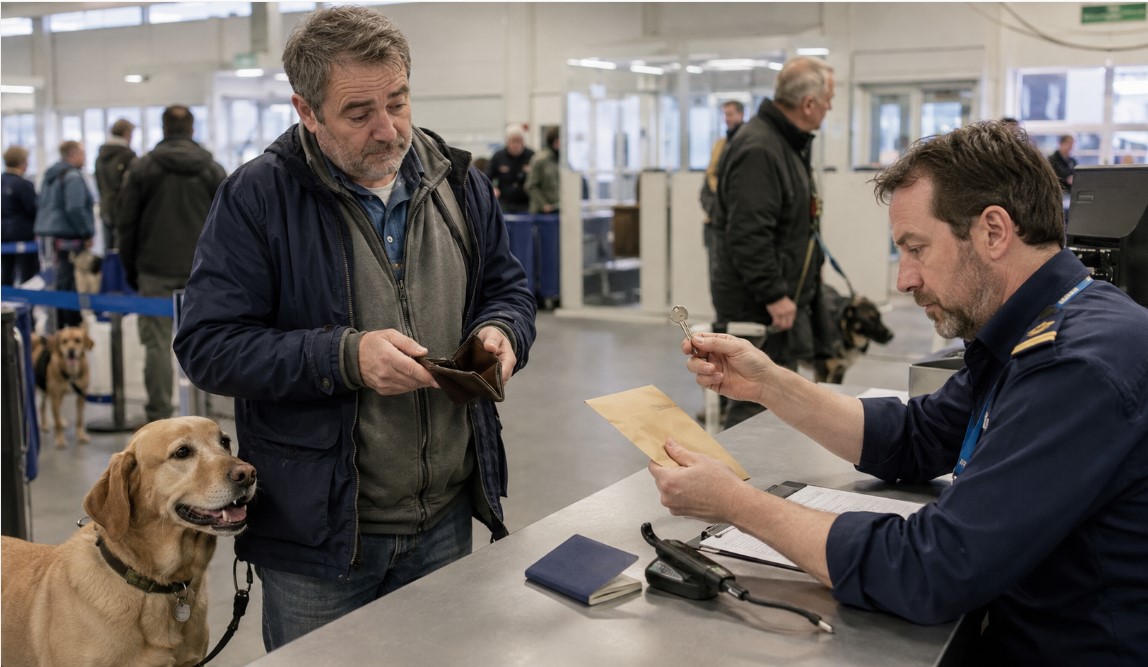
Tell the Truth and Pay £250: Brussels Has Reinvented Honesty
People often ask me whether their EU pet passport will still be accepted. The new Regulation offers two impressive words — “habitual residence” — but no clear test, standard evidence or workable border procedure. Tell the truth, and honesty may cost
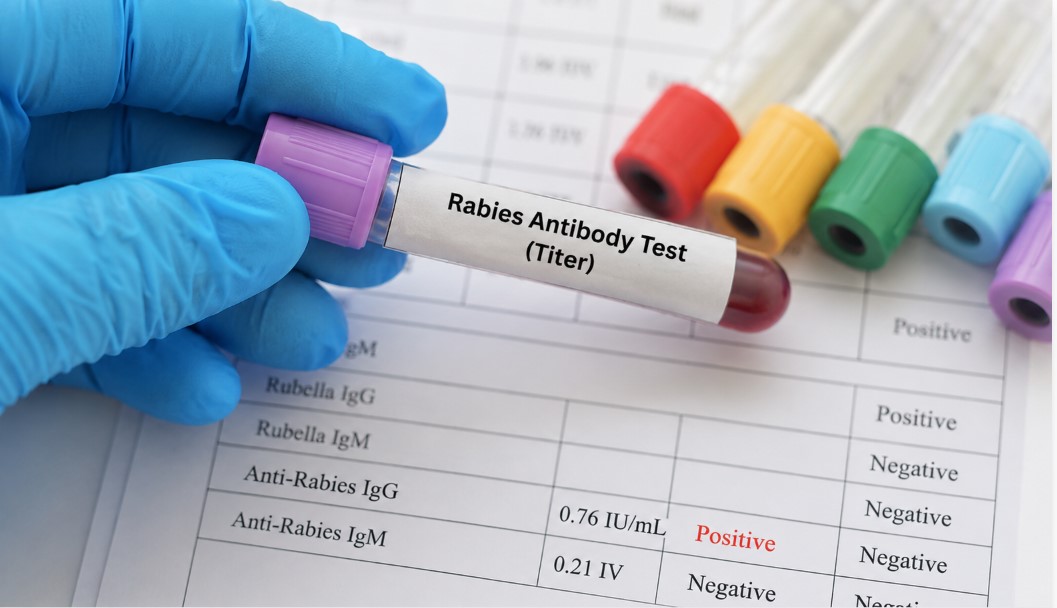
USA Pet Travel Update 2026: CDC Changes Approved Rabies Titre Laboratories
CDC updated its list of approved rabies serology laboratories for dogs entering the United States from high-risk dog-rabies countries. The transition period for removed laboratories ended on 12 July 2026. We explain which laboratories are affected, w
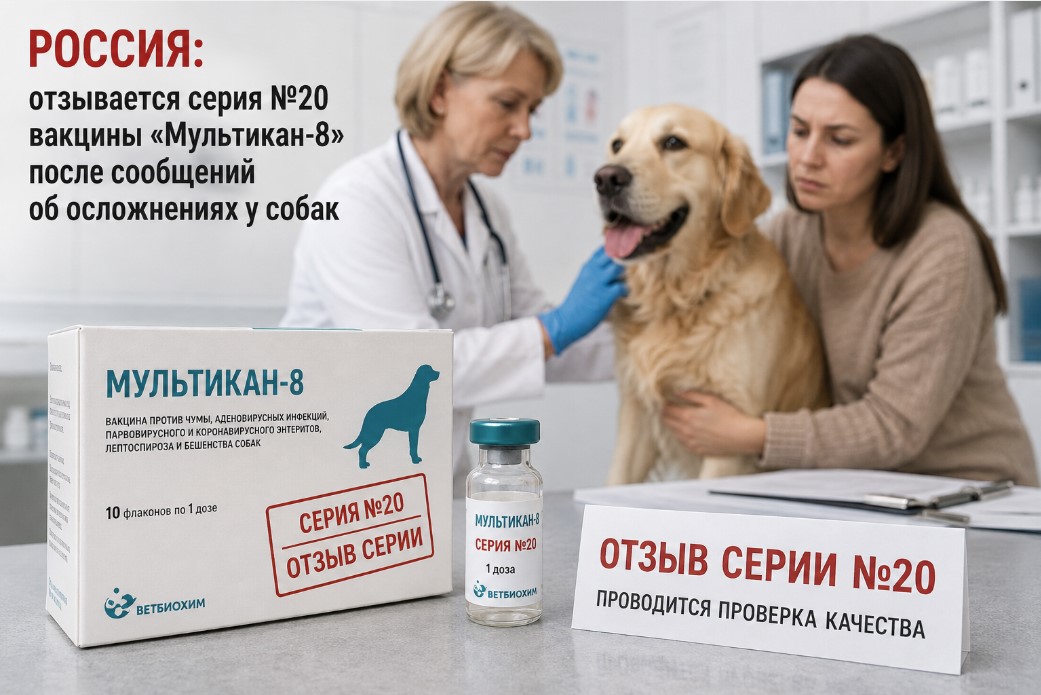
Россия: отзывается серия №20 вакцины «Мультикан-8» после сообщений об осложнениях у собак
В России отзывается серия №20 вакцины для собак «Мультикан-8». Проверка начата после сообщений о серьёзных осложнениях и случаях гибели собак. Причинная связь с вакциной пока официально не установлена.
 Loading More Items
New EU Pet Travel Rules 2026: Why Document Mistakes Now Lead to Refusal
New EU pet travel rules in 2026:
why document mistakes now lead to refusal
A practical explanation of what has actually changed for pet owners
From 22 April 2026, the European Union introduced updated rules for pet travel.
At first glance, nothing looks radically different. Microchips, rabies vaccination, certificates — all of this existed before.
But the way these requirements are now checked has changed significantly.
And this is where the real impact begins.
It is no longer about having documents
For years, most people believed that the main risk was missing documents.
Today, that is no longer the case.
The main risk now is having documents that are not perfectly consistent.
Border checks are focused on details:
sequence of actions;
exact dates;
matching owner details;
correct structure of the certificate.
Even a small inconsistency can be treated as a full violation.
Why refusals are increasing
Most refusals today do not happen because something is missing.
They happen because something is slightly wrong.
Typical examples include:
vaccination done before microchip;
incorrect calculation of waiting periods;
mismatch in owner name;
errors in certificate dates.
In all of these cases, the outcome is the same.
Entry is refused.
And there is another important point.
These issues cannot be corrected at the border.
The timing of these changes
What makes this more difficult is the timing.
Travel has already become more expensive. Routes are more complex. People are under financial and emotional pressure.
And at the same time, the system now demands near-perfect accuracy.
In practice, this means:
higher preparation costs;
longer timelines;
higher risk of refusal.
Additional changes are also expected in the United Kingdom.
Which means the pressure is unlikely to decrease.
What matters now
Pet transport, cats and dogs, is no longer only about logistics.
It is now heavily dependent on documentation accuracy.
And the key question has changed.
Not “Do you have the documents?” but “Are they correct in every detail?”
Because today, the biggest risk is not missing something.
It is a small mistake that no one noticed before the trip.