
EN| COMPLETE GUIDE ON THE DIFFERENCES BETWEEN COMMERCIAL AND NON-COMMERCIAL TRANSPORTATION OF DOGS AND CATS, WITH LAWS, REGULATIONS, AND VAT EXEMPTION JUSTIFICATIONS
Understand the distinctions between commercial and non-commercial pet transport, including key laws, ownership requirements, and VAT exemption basics for safe pet relocation.
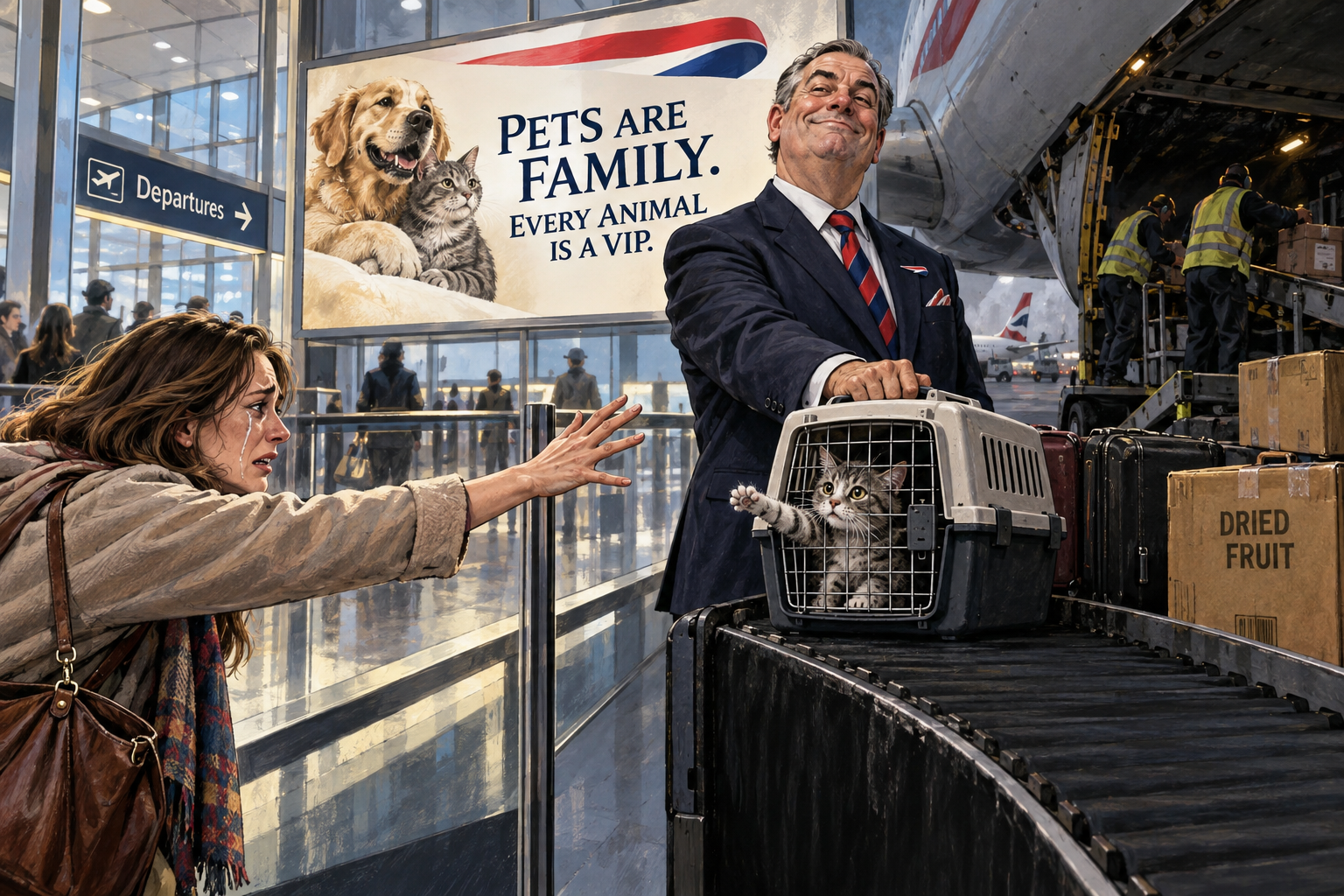
When the Pride of the Nation Stoops to Cheap, Shameless Hypocrisy
British Airways calls pets members of the family and promises VIP treatment, yet refuses to let even the smallest pet remain beside the person they love and trust.

Tell the Truth and Pay £250: Brussels Has Reinvented Honesty
People often ask me whether their EU pet passport will still be accepted. The new Regulation offers two impressive words — “habitual residence” — but no clear test, standard evidence or workable border procedure. Tell the truth, and honesty may cost

USA Pet Travel Update 2026: CDC Changes Approved Rabies Titre Laboratories
CDC updated its list of approved rabies serology laboratories for dogs entering the United States from high-risk dog-rabies countries. The transition period for removed laboratories ended on 12 July 2026. We explain which laboratories are affected, w
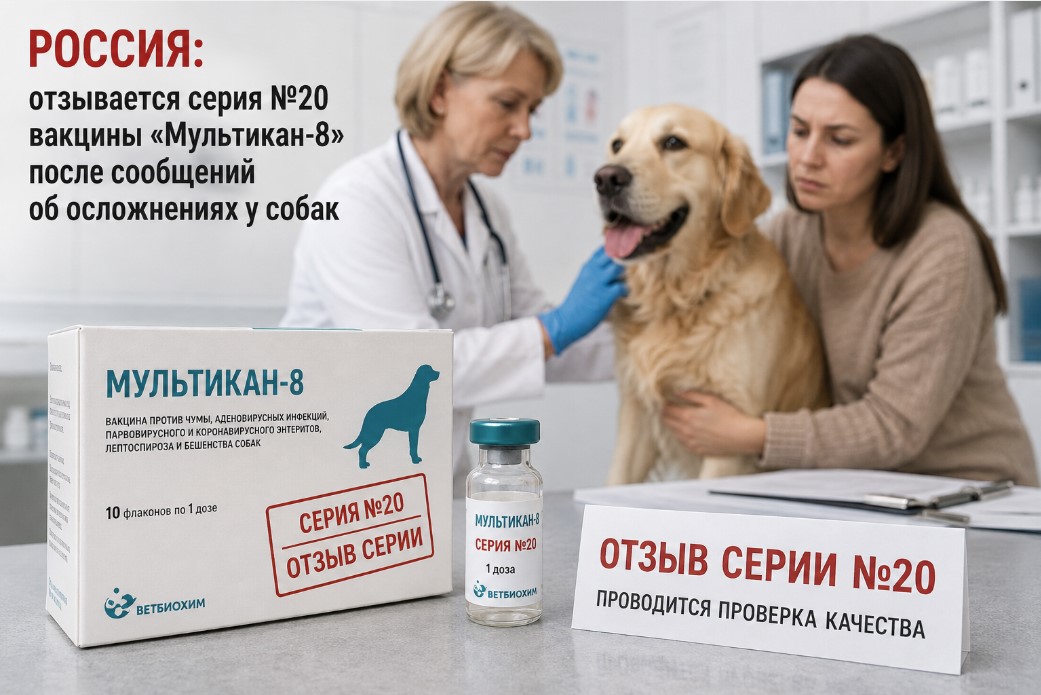
Россия: отзывается серия №20 вакцины «Мультикан-8» после сообщений об осложнениях у собак
В России отзывается серия №20 вакцины для собак «Мультикан-8». Проверка начата после сообщений о серьёзных осложнениях и случаях гибели собак. Причинная связь с вакциной пока официально не установлена.
 Loading More Items
EN| COMPLETE GUIDE ON THE DIFFERENCES BETWEEN COMMERCIAL AND NON-COMMERCIAL TRANSPORTATION OF DOGS AND CATS, WITH LAWS, REGULATIONS, AND VAT EXEMPTION JUSTIFICATIONS
Non-Commercial Transportation
Definition and Criteria:
Purpose of Transportation: Non-commercial transportation means moving an animal for the owner’s personal reasons, such as travel, relocation, exhibitions, or sports events, rather than for commercial gain (e.g., sale or resale).
Ownership Rights: A key requirement for classifying transportation as non-commercial is that ownership rights must be transferred to the owner before transportation begins. This is critical to avoid customs issues. If the pet was purchased and ownership is documented before dispatch, it should not be considered commercial, even if sale documentation is included.
Legal Basis:
EU Regulation No. 576/2013: Sets the rules for non-commercial movement of pets within the EU and from third countries, including pet passports and up-to-date vaccinations.
UK Regulation: The Pet Travel Scheme (PTS) governs the movement of pets between the UK and EU post-Brexit, requiring proof of ownership and health documentation.
Example: If you bought a puppy online and completed ownership documentation before transport, it’s considered non-commercial. Even if the pet was sold to you, this is non-commercial if it is transported for personal reasons.
Commercial Transportation
Definition and Criteria:
Purpose of Transportation: Commercial transportation involves moving an animal for sale, resale, transfer to third parties, or as part of a business activity (e.g., breeding for sale).
Key Indicators:
The animal is transported for subsequent sale or as part of a pet trade business.
More than five animals are moved, without exhibition or sports participation.
The animal is transported without the owner or an authorized person.
Legal Basis:
EU Regulation No. 2019/2122: Establishes veterinary checks and import requirements for animals entering the EU, including certification, inspections, and possible quarantine.
UK’s Trade in Animals and Related Products Regulations 2011: Regulates commercial import of animals to the UK, setting standards for certification and transportation.
Example: If a pet is transported to be sold to a new owner abroad, it is commercial. Similarly, transporting pets to a pet store or for breeding purposes is commercial. However, not all breeding falls under commercial classification.
Justification for Breeding Transport:
Purpose of Breeding: If breeding is for profit (e.g., selling offspring), it’s commercial. However, small-scale or non-systematic breeding may be classified as non-commercial.
Example: If the pet is transported for breeding to keep offspring or give to family/friends without profit, it may be classified as non-commercial.
Legal Basis: Under EU Regulation No. 2016/429 (Animal Health Law), systematic breeding for income falls under commercial transport. However, non-profit, non-systematic breeding may qualify as non-commercial.
VAT Exemption for Non-Commercial Transportation
Legal Basis:
Directive 2006/112/EC on VAT: Outlines VAT exemption rules for goods, including pets, transported for personal use rather than commercial purposes. Proof is required that the transport is for personal reasons, not for sale.
EU Regulation No. 952/2013 (Union Customs Code): Governs customs clearance for goods, including pets, and confirms that VAT should not apply with proof of non-commercial transport.
Practical Guidance:
Documentation: To avoid customs issues, it’s essential to provide documents showing that ownership was transferred before transport (e.g., sales contract, registration papers).
VAT Exemption Justification: Clearly indicate that the pet’s transport is unrelated to commercial activity, qualifying it for VAT exemption.
Example: If you purchase a puppy and complete documentation before transport, this is classified as non-commercial, and VAT should not apply if supporting documentation is provided.
Conclusion
To successfully distinguish non-commercial pet transportation from commercial and secure VAT exemption, it’s necessary to:
Confirm that ownership of the animal was transferred before transport.
Ensure transportation is for personal, not commercial, purposes.
Maintain documentation to prevent customs issues.
P:S
If you have encountered illegal demands from customs officials when importing cats or dogs, please let us know. Each case is thoroughly reviewed, and if the violation of regulations is confirmed, we send an official letter to the relevant customs post with a detailed description of the identified issues.
For your report:
Briefly describe the situation you faced.
Attach the documents you submitted to customs during border crossing.
Include details about the customs officer's behavior and any statements or demands they made.
If you were issued any documents, please attach them to your email as well.
Send all materials to our email address listed in the "Contacts" section.
We will aim to respond within two to three weeks. This timeframe is necessary to receive an official reply from the customs post and, in some cases, from the authority overseeing compliance at the specific customs post.
For urgent cases requiring immediate action, you can request a paid consultation. We are not a government organization, do not receive grants or subsidies, and operate entirely on a self-funded basis. We do this solely because we believe that the cruel and unlawful treatment of your pets at customs posts is unacceptable.
This approach helps us better understand the real issues faced by pet owners and couriers and allows us to explain errors to customs representatives, driving positive change for everyone involved.