Switzerland Pet Travel Rules 2026: FSVO Import Authorisation and Rabies Changes
Switzerland is updating its pet travel rules from 15 November 2026. Find out when an FSVO import authorisation is required, how to apply, the rabies titre test requirements, and what changes for dogs and cats travelling from Serbia and Montenegro.
From St Petersburg to Dubai with K9 JETS: A Bernese Mountain Dog's Extraordinary Journey
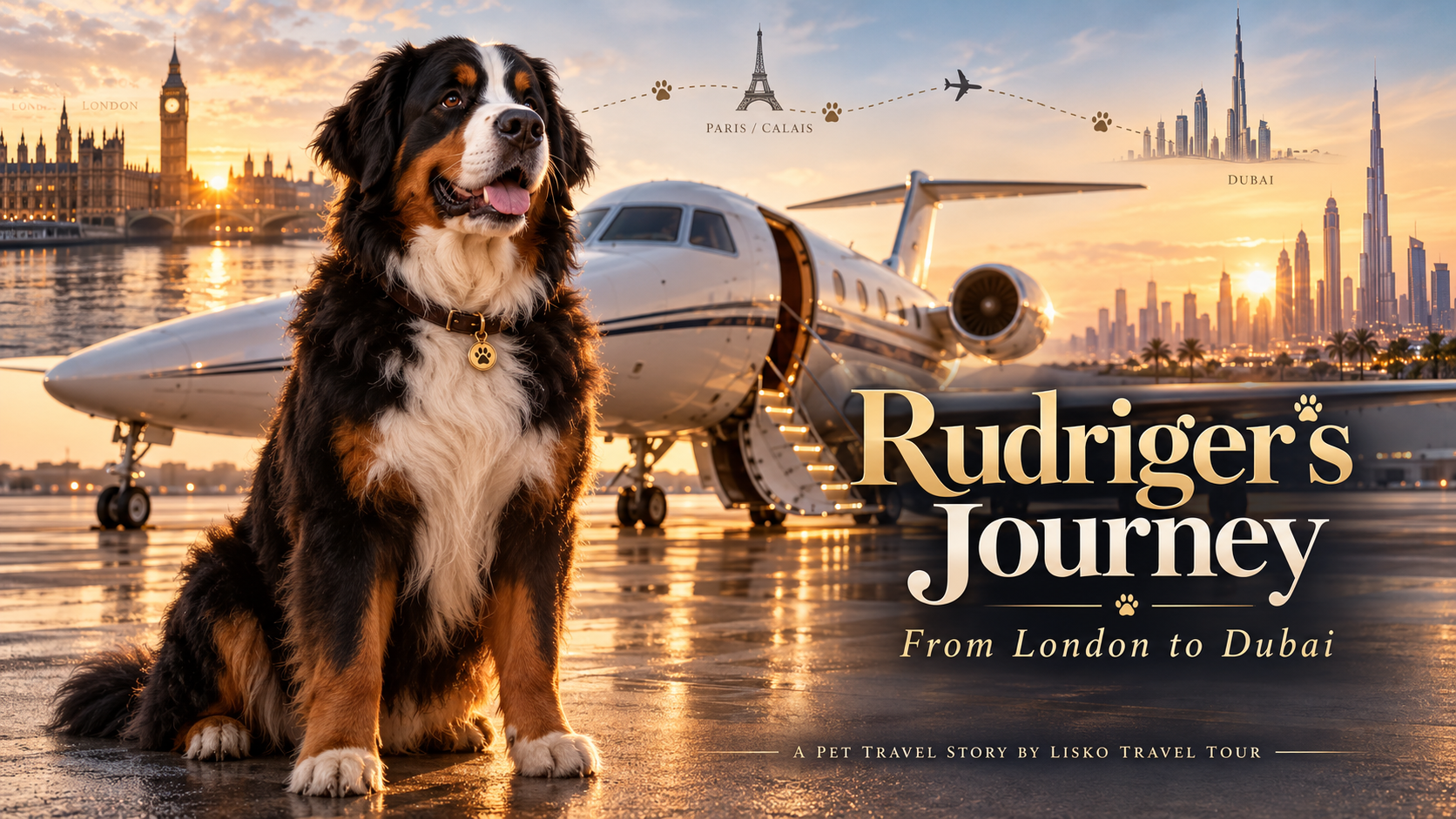
The extraordinary journey of Rudiger, a Bernese Mountain Dog travelling from St Petersburg to Dubai via Europe and London. Discover the challenges of veterinary paperwork, the urgent UK export health certificate, an unforgettable K9 JETS private flig
Из Санкт-Петербурга в Дубай с K9 JETS: путешествие Рюдигера
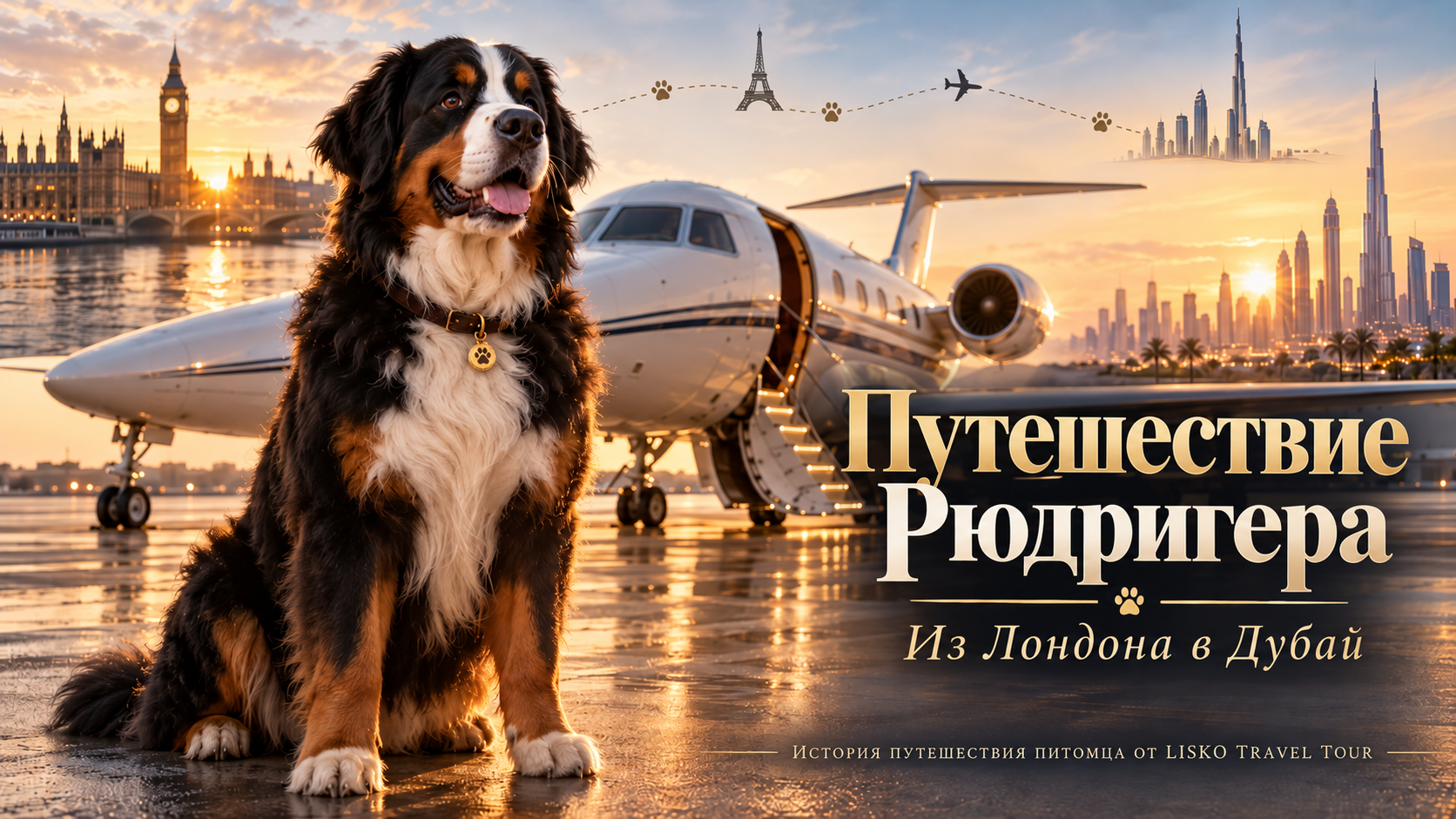
История путешествия бернского зенненхунда Рюдигера из Санкт-Петербурга в Дубай через Европу и Лондон. Ветеринарные документы, срочное оформление британского сертификата 3926EHC, перелёт с K9 JETS и удивительное гостеприимство Jetex Dubai.
When the Pride of the Nation Stoops to Cheap, Shameless Hypocrisy
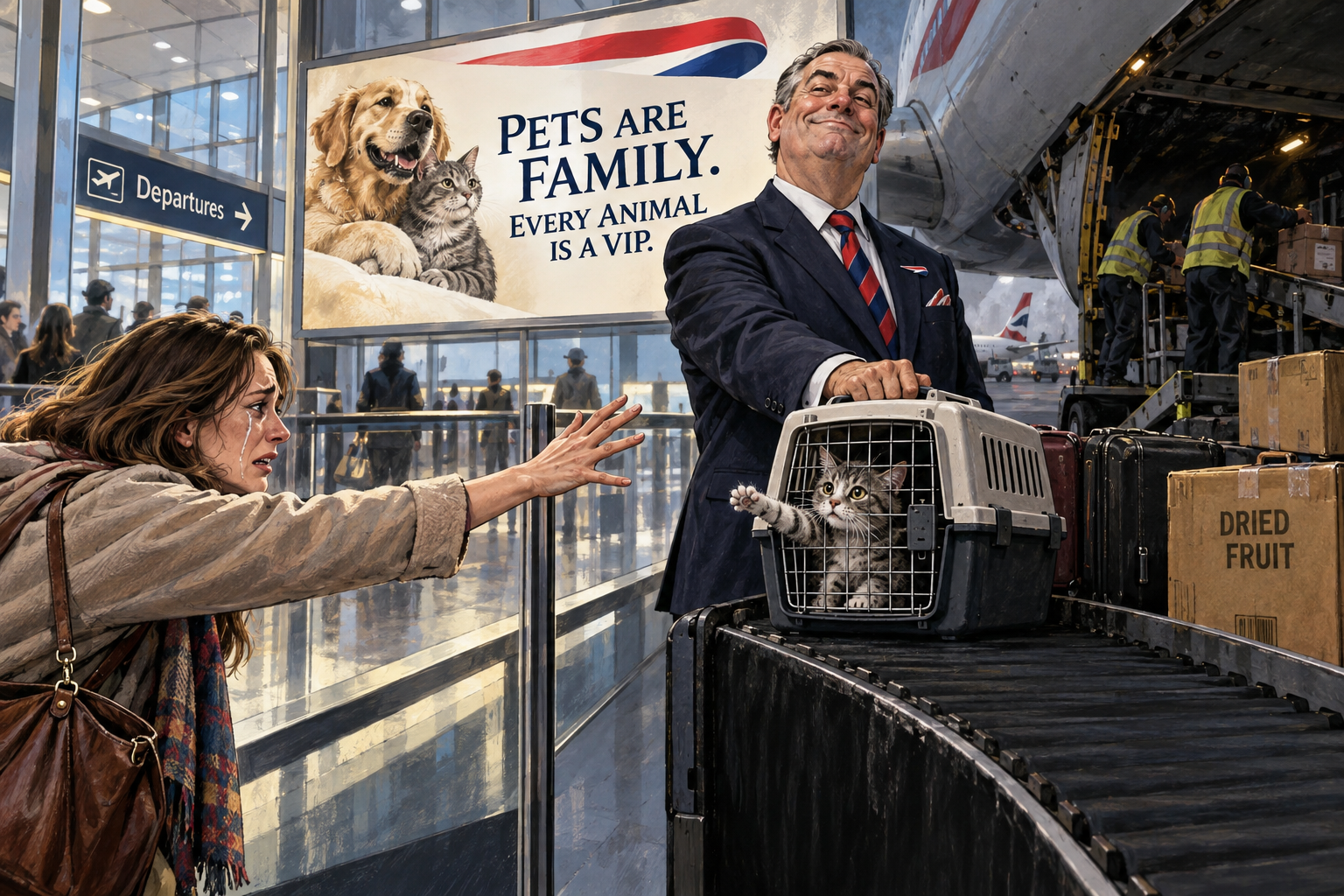
British Airways calls pets members of the family and promises VIP treatment, yet refuses to let even the smallest pet remain beside the person they love and trust.
Tell the Truth and Pay £250: Brussels Has Reinvented Honesty
People often ask me whether their EU pet passport will still be accepted. The new Regulation offers two impressive words — “habitual residence” — but no clear test, standard evidence or workable border procedure. Tell the truth, and honesty may cost
 Loading More Items

Switzerland Pet Travel Rules 2026: FSVO Import Authorisation and Rabies Changes
Information checked and updated: 26 October 2026
Switzerland Pet Travel Rules 2026:
FSVO Import Authorisation and Changes from 15 November
Important updates for dogs, cats and ferrets travelling to Switzerland from rabies-risk countries
Switzerland is updating the rules governing the entry of dogs, cats and ferrets. The changes are particularly important for pet owners travelling from countries classified as presenting a high risk of rabies.
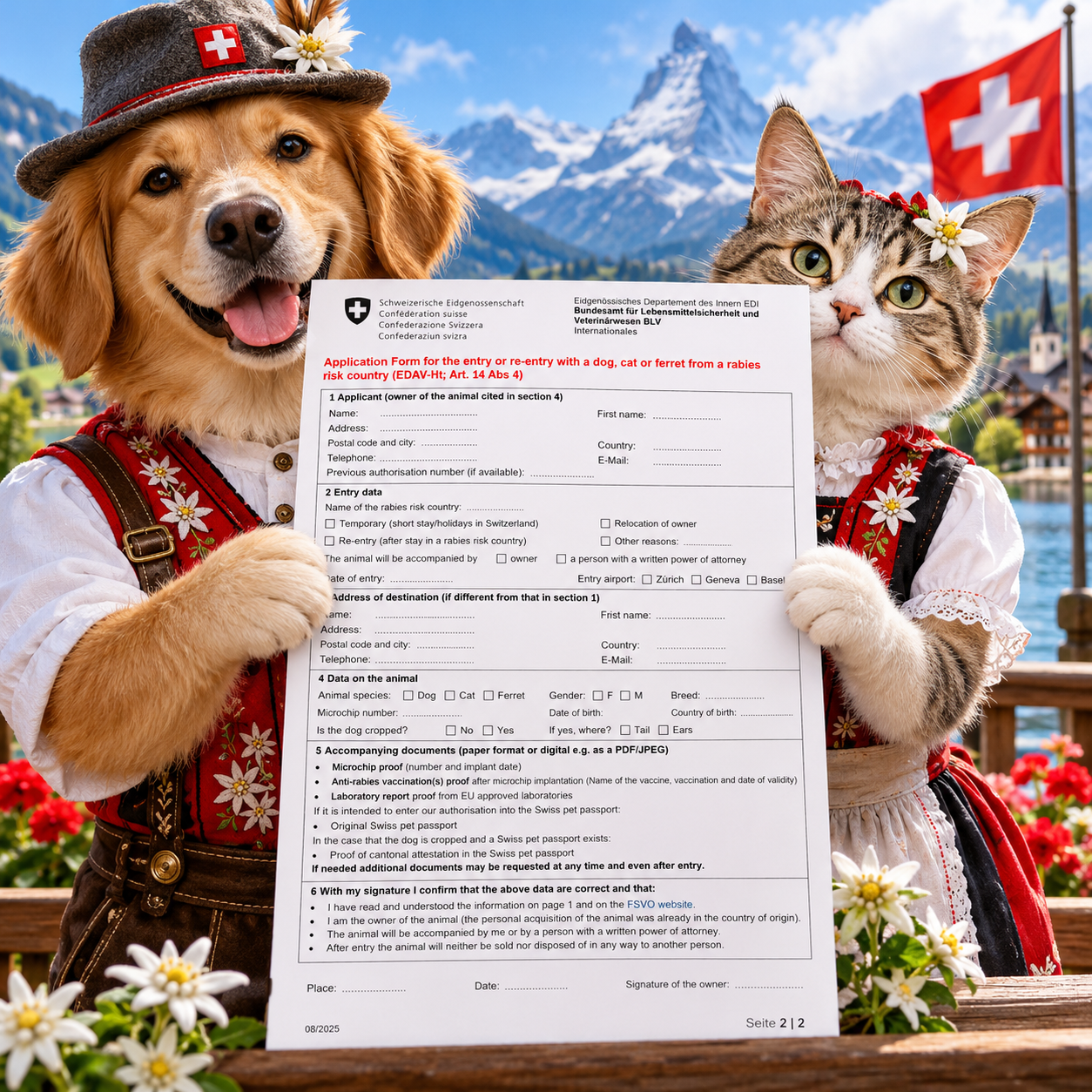
The current official application form for pets entering or re-entering Switzerland from rabies-risk countries is listed on the Swiss Federal Food Safety and Veterinary Office — FSVO / BLV — website with an update date of 13 October 2026.
On 14 October 2026, the Swiss Federal Council adopted amendments to the Ordinance on the Import, Transit and Export of Pet Animals - EDAV-Ht.
The amended Swiss pet travel rules enter into force on 15 November 2026.
Bringing a dog or cat to Switzerland from a rabies-risk country
For pets travelling from a rabies-risk country, rabies vaccination alone is not enough. The complete sequence of preparation must be checked carefully against the actual route and date of travel.
microchip identification;
valid rabies vaccination;
rabies antibody titre test;
the required waiting period after blood sampling;
veterinary health certificate;
EU or Swiss pet passport where applicable;
owner or authorised-person documentation;
FSVO import authorisation for certain direct air arrivals.
An error in the sequence of microchipping, vaccination, blood sampling or the calculation of the entry date can make the planned journey impossible.
When is an FSVO import authorisation required?
According to the official FSVO application form, an import authorisation is required for dogs, cats and ferrets when all relevant conditions apply.
the animal enters Switzerland by direct air transport through Zurich, Geneva or Basel;
the animal travels with its owner or, where permitted, with another authorised person and the required supporting documentation;
after entry into Switzerland, the animal is not intended to be sold or transferred to another owner.
The authorisation is therefore not a general document required for every journey to Switzerland. Whether it is needed depends on the country history of the animal, the route, the airport of entry and the purpose of the movement.
FSVO import authorisation does not replace the veterinary health certificate, rabies vaccination, rabies antibody titre test or other required travel documents.
How to apply for the FSVO import authorisation
The official application form must be completed separately for each animal.
The completed application must be submitted no later than 21 days before the planned date of entry into Switzerland.
The form requires information about the owner, country of origin, reason for travel, date and airport of entry, destination address and details of the animal.
Applications with incomplete or illegible supporting evidence may be returned.
Documents required with the FSVO application
The application must be supported by evidence confirming that the animal meets the Swiss entry requirements.
proof of the microchip number and implantation date;
proof of rabies vaccination carried out after microchip implantation, including the vaccine name, vaccination date and validity period;
laboratory report confirming the rabies antibody titre result from an approved laboratory;
where relevant, the original Swiss pet passport if the authorisation is to be entered into it;
additional documents if specifically requested by FSVO.
FSVO may request additional documentation before or even after entry where necessary.
Rabies titre test requirements for Switzerland
For pets from rabies-risk countries, the rabies antibody titre test is one of the most important parts of the preparation.
rabies vaccination must be administered after microchip implantation;
for a valid primary vaccination, the animal must be at least 12 weeks old;
the blood sample must be taken at least 30 days after rabies vaccination;
the result must be at least 0.5 IU/ml;
the test must be performed by an approved laboratory;
for the relevant first-entry situations, entry is permitted only after the required waiting period following blood sampling.
The current FSVO application form states that entry may take place at the earliest 3 months after the blood sample for first entry and for animals vaccinated and/or tested in a third country, unless an applicable exception for re-entry applies.
This is why a rabies titre problem often cannot be corrected shortly before departure.
What happens after arrival at a Swiss airport?
The FSVO authorisation alone is not sufficient for entry.
The animal must also travel with the required veterinary certificate and/or an EU or Swiss pet passport, depending on the circumstances.
After arrival at the airport, the owner or authorised person must present the animal and the relevant documents for border control at the red customs exit.
The veterinary documents, identification, vaccination history, titre test and border presentation requirements must all be correct.
Serbia and Montenegro: important change from 15 November 2026
From 15 November 2026, Switzerland changes the rabies-risk classification of several countries and territories.
In particular, Serbia and Montenegro are included in the category of countries and territories with a favourable rabies situation.
This is important because the requirements for pets travelling from these countries differ from the requirements that apply to animals arriving from rabies-risk countries.
A journey before and after 15 November 2026 may therefore be subject to different requirements.
Why pet travel to Switzerland must be checked individually
International pet travel cannot be assessed safely from a general country checklist alone.
The correct requirements depend on the country of departure, countries visited during the previous six months, transit route, date of travel, the animal's age, vaccination history, rabies titre test, method of transport and the person accompanying the pet.
A direct flight to Zurich, Geneva or Basel and a journey into Switzerland by road through the European Union may require different route and document checks.
This is why the documents should be checked before non-refundable flights or transport arrangements are confirmed.
Check your veterinary documents before travelling to Switzerland
LISKO TRAVEL TOUR does not check a single certificate in isolation. We assess the complete preparation of the individual pet for the actual journey.
We check the microchip, rabies vaccination, rabies antibody titre test, waiting periods, veterinary certificate, the need for FSVO import authorisation, transit requirements and whether the documents match the real route and travel date.
Book a Pre-Travel Consultation. We can check the route, timing and veterinary requirements before you commit to the journey.
If your veterinary documents have already been prepared
Book a Pet Travel Document Check. We can review the complete document set and identify errors or risks before airline check-in or border control.
Planning pet travel to Switzerland?
If there is any uncertainty about the rabies titre, FSVO permit, veterinary certificate or transit route, it is safer to check the journey before booking.
Book a Pre-Travel Consultation or Pet Travel Document Check
Check pet travel rules and veterinary requirements by country
Official Swiss sources
Swiss Federal Food Safety and Veterinary Office — Travelling with dogs, cats and ferrets
Swiss Federal Council — amendments to the Ordinance on the Import, Transit and Export of Pet Animals
LISKO TRAVEL TOUR
Professional pet travel planning, route assessment and veterinary document checking.
WhatsApp:
+44 7734 760360
Consultation or document check:
Order service
Check pet travel legislation:
Country requirements